The Silent Decay Inside Your $200 Serum: What Luxury Brands Don't Tell You About Ingredient Stability
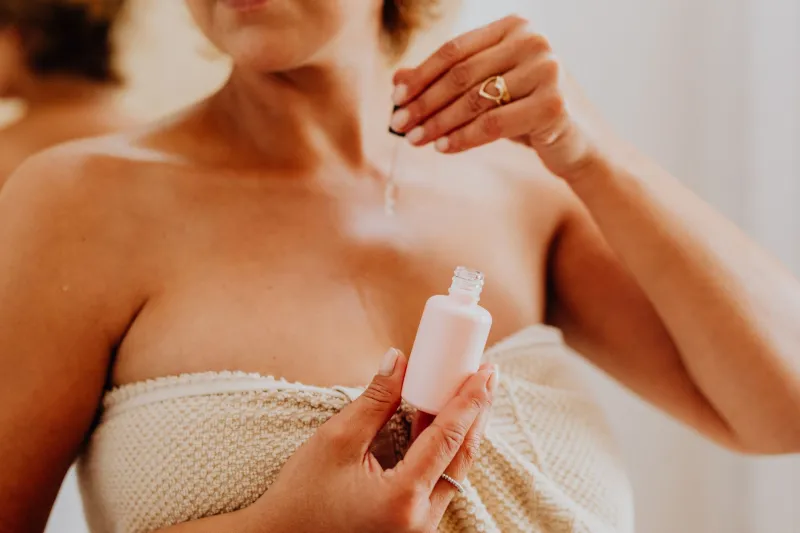
There is a particular ritual familiar to devotees of luxury skincare: the careful uncapping of a new serum, the deliberate press of a dropper, the moment of anticipation before a high-performance formula meets the skin. What rarely enters that moment of reverence is the knowledge that the product in hand may already be losing its potency—not because of improper storage or negligence, but because chemistry itself is indifferent to price.
The science of ingredient degradation is well-established in cosmetic chemistry and dermatology. Yet it remains conspicuously absent from the marketing materials of even the most prestigious skincare houses. The result is a growing disconnect between what consumers believe they are purchasing and what they may actually be applying to their skin weeks or months into a routine.
The Chemistry of Decline
To understand why luxury actives deteriorate, it helps to consider what makes them effective in the first place. Ingredients such as L-ascorbic acid (the purest form of vitamin C), encapsulated retinoids, peptide complexes, and unstabilized niacinamide are prized precisely because they are biologically reactive. That reactivity—the very quality that enables cellular communication, collagen stimulation, and antioxidant defense—also makes these molecules vulnerable to environmental interference.
Oxidation is the most common mechanism of degradation. When oxygen molecules interact with unstable compounds, they alter their chemical structure, often rendering them ineffective or, in some cases, potentially irritating. Vitamin C serums offer the most visible example: the telltale amber or orange discoloration of an aging formula is not merely aesthetic. It signals that ascorbic acid has oxidized into compounds that provide little to no antioxidant benefit—and may, in sensitive individuals, provoke inflammation.
Retinoids present a different but equally significant challenge. While encapsulation technology has improved stability considerably, exposure to light and heat accelerates breakdown at the molecular level. A retinol serum stored in a clear glass bottle on a sun-facing bathroom shelf may degrade meaningfully within weeks of opening, regardless of its original formulation quality.
Peptides, the darlings of contemporary luxury skincare, are susceptible to hydrolysis—a process in which water molecules cleave peptide bonds, dismantling the very chains responsible for their signaling activity. Formulas with high water content and insufficient preservation systems are particularly vulnerable.
The Period After Opening Problem
Most cosmetic products sold in the United States carry a Period After Opening (PAO) symbol—the small open jar icon followed by a number indicating how many months a product remains suitable for use after first opening. This symbol, while useful, is a blunt instrument. It addresses microbial safety rather than ingredient efficacy. A serum may remain free of harmful bacteria for twelve months post-opening while its key actives have functionally degraded in three.
The distinction matters enormously for consumers investing in high-performance formulas. Dermatologists who specialize in cosmetic science are candid about this gap. The PAO tells you when a product might become unsafe, not when it stops working. For actives like vitamin C or growth factors, those can be very different timelines.
Luxury brands are under no regulatory obligation in the United States to disclose efficacy degradation timelines. The Food and Drug Administration classifies cosmetics separately from drugs, meaning that performance claims—unlike pharmaceutical efficacy claims—are not subject to the same evidentiary standards. Brands may commission stability testing internally, but the results of that testing are proprietary and rarely shared with consumers in any meaningful form.
What Packaging Reveals—and Conceals
Formulation chemists will note that packaging choices communicate a great deal about a brand's commitment to stability. Airless pump dispensers, opaque or UV-protective bottles, and single-dose ampoules are genuine engineering decisions that extend the functional life of sensitive actives. Dropper bottles with wide openings, clear glass containers, and jar packaging—however beautiful—introduce oxygen and light with every use.
The irony is that some of the most visually luxurious packaging is among the least protective. A wide-mouth jar of vitamin C moisturizer, however exquisitely designed, exposes its contents to air and contamination with every application. The aesthetic of opulence and the science of preservation do not always align.
Some prestige brands have begun addressing this through technological innovation—nitrogen-flushed bottles, dual-chamber systems that keep actives separated until the moment of dispensing, and photostabilized formulas that demonstrate measurable resistance to light-induced degradation. These represent genuine advances. They also tend to carry price premiums that consumers are rarely given the context to evaluate.
The Storage Variable
Even a perfectly formulated, impeccably packaged serum is subject to the conditions in which it is stored. The average American bathroom, with its cycles of heat and humidity generated by showers, is among the least hospitable environments for unstable actives. Temperatures above 77 degrees Fahrenheit accelerate oxidation and hydrolysis in many formulas. Humidity can compromise preservation systems over time.
Dermatologists frequently recommend refrigerating vitamin C serums and other oxidation-prone formulas—advice that runs counter to the aspirational bathroom-shelf aesthetic cultivated by luxury brands in their marketing imagery. The gleaming vanity display, so central to the visual language of prestige beauty, may be quietly working against the efficacy of the products arranged upon it.
What Discerning Consumers Can Do
The response to this knowledge need not be cynicism. It can, instead, be a more informed approach to investment and use.
First, consider purchase quantity in proportion to realistic usage rate. A serum used twice daily will be depleted far more quickly than one applied occasionally, meaning that buying in smaller quantities—even if the per-ounce cost is slightly higher—may preserve efficacy more reliably than purchasing in bulk.
Second, note the date of first opening on the bottle. This simple practice, recommended by cosmetic chemists and dermatologists alike, provides a concrete reference point against which to assess whether a product is likely still performing at its intended level.
Third, pay attention to sensory changes. Color shifts, separation, unusual odor, and changes in texture are not merely cosmetic concerns—they are often meaningful indicators of chemical change. A vitamin C serum that has turned deep amber, a retinol formula that has separated, or a peptide product with an off-putting smell warrants replacement rather than continued use.
Finally, ask more of the brands you support. Stability data, while proprietary, is not unknowable. Brands that invest in genuine transparency—publishing efficacy retention data, providing honest guidance on post-opening timelines, and designing packaging with preservation in mind—deserve recognition for that commitment.
Radiance Requires More Than Prestige
The promise of luxury skincare is not merely the quality of ingredients at the moment of formulation. It is the sustained delivery of those ingredients to the skin over the course of a routine. A serum that has lost its potency is not a luxury product—it is an expensive placebo.
True radiance, the kind that reflects both the quality of one's investments and the wisdom with which they are made, demands this level of scrutiny. The most discerning approach to beauty is not simply to purchase the finest formulas available, but to understand them well enough to protect what makes them valuable. That knowledge, once acquired, changes not only how one shops, but how one glows.