Glow Is Not Equal: The Uncomfortable Truth About Who Gets to Be Radiant
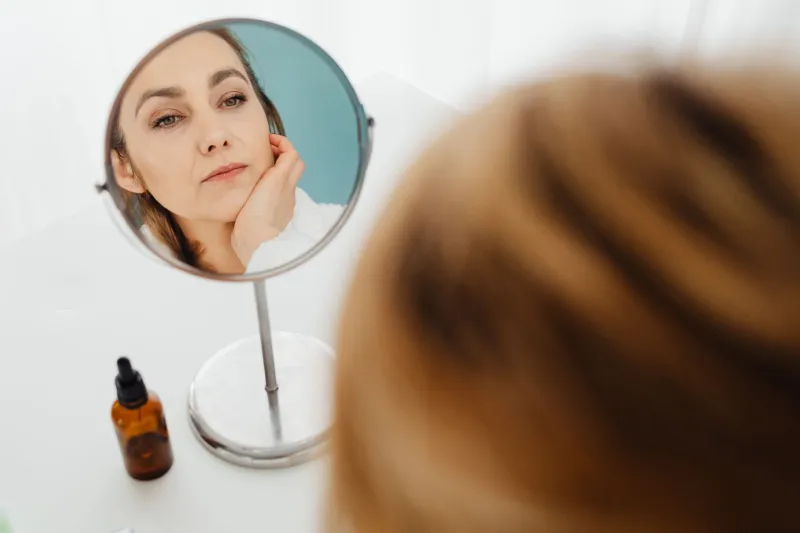
Luxury beauty advertising has long trafficked in a seductive fiction: that radiance is available to anyone willing to invest in the right serum, the right ritual, the right philosophy of self-care. The imagery is consistent—luminous skin, unhurried mornings, serene faces unburdened by anything more pressing than choosing between a jade roller and a gua sha stone. It is a vision that sells exceptionally well. It is also, in important ways, incomplete.
Because glow—real, lasting, biological luminosity—is not simply a product of what one applies to the skin. It is a product of how one lives. And how one lives is shaped, often decisively, by forces that no amount of premium skincare can override.
The Biology of Radiance Is Not Neutral
Dermatologists describe luminous skin in physiological terms: robust microcirculation, adequate hydration at the cellular level, a healthy and intact skin barrier, and sufficient cellular turnover. These are conditions that premium formulations can support and refine. But they are also conditions that the body produces naturally when it is well-rested, well-nourished, and not chronically under siege by stress hormones.
Here lies the first uncomfortable reality. Sleep deprivation, which research consistently links to lower-income populations who work multiple jobs or irregular shifts, measurably impairs skin barrier function and accelerates visible signs of fatigue. Chronic psychological stress—disproportionately experienced by communities facing economic precarity—elevates cortisol levels that degrade collagen, impair moisture retention, and trigger inflammatory responses visible at the surface. Even air quality, which varies dramatically by zip code across American cities, has been shown to accelerate oxidative damage and dullness in skin exposed to higher concentrations of particulate matter.
In other words, the very conditions that prevent skin from glowing are the same conditions that systemic inequity tends to produce. A luxury eye cream can address the appearance of fatigue. It cannot address the three jobs that caused it.
The Ingredient Conversation Leaves Some People Out
The current golden era of skincare science has produced genuinely remarkable formulations. Stabilized vitamin C complexes, encapsulated retinoids, peptide technologies, and barrier-reinforcing ceramide systems have meaningfully advanced what topical skincare can accomplish. For consumers who can access and afford these innovations consistently—and who apply them against a baseline of adequate sleep, clean water, low environmental toxin exposure, and manageable stress—the results can be extraordinary.
But the conversation about ingredients frequently assumes a level playing field that does not exist. Discussing the optimal pH for a vitamin C serum or the ideal layering sequence for actives presupposes a routine with time, space, and budget to accommodate that kind of precision. It presupposes access to a dermatologist who can guide that routine. It presupposes that the skin in question is not already compromised by chronic inflammation from environmental stressors that no serum addresses.
For a significant portion of the American population, the barrier to radiance is not a missing ingredient. It is a missing hour of sleep, a missing meal of leafy greens and omega-rich proteins, or a missing option to leave a stressful living situation.
Genetics, Melanin, and the Unspoken Bias in Glow Culture
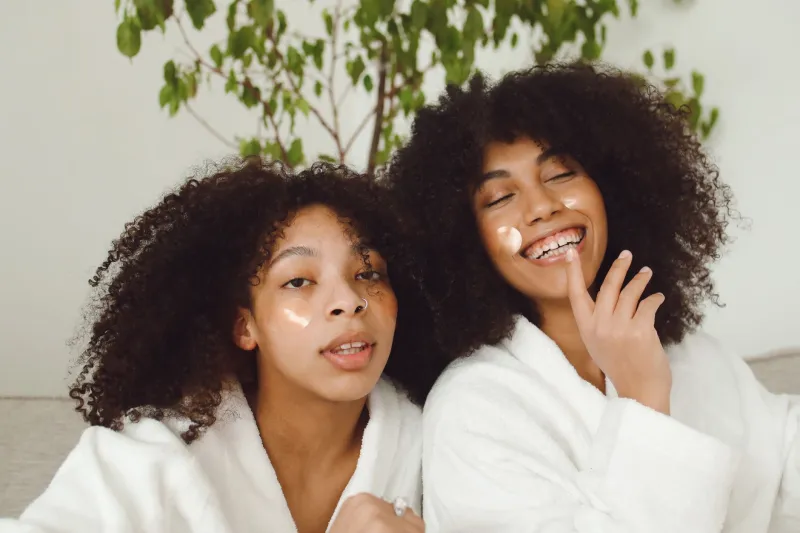
The visual language of radiance in mainstream luxury beauty has historically been coded. The dewy, translucent glow celebrated in editorial spreads and product campaigns has frequently reflected a narrow aesthetic rooted in lighter skin tones, where certain forms of luminosity are more immediately legible to conventional photography and lighting.
This is not a trivial observation. Melanin-rich skin possesses its own extraordinary forms of radiance—a depth, evenness, and resilience that many dermatologists argue represents superior photoprotection and long-term skin health. Yet the marketing of "glow" has not always honored those qualities with equal enthusiasm. The result is a beauty culture in which consumers with deeper complexions are implicitly positioned as having a deficit to correct rather than a different form of luminosity to celebrate and support.
Some luxury brands have begun to address this, expanding shade ranges, diversifying campaign imagery, and investing in research specific to melanin-rich skin biology. The shift is meaningful. It is also, by most honest assessments, still incomplete.
What "Radiance for All" Actually Requires
The luxury beauty industry is not, of course, responsible for resolving socioeconomic inequality. But it is responsible for the stories it tells about what radiance is, where it comes from, and who deserves it.
When a brand positions a $300 serum as the path to glowing skin without acknowledging the broader ecosystem of conditions that make skin glow, it is not merely omitting context. It is, however unintentionally, suggesting that those who cannot achieve the promised result simply haven't found the right product yet. That framing places the burden of failure on the consumer rather than on the structural conditions that constrain her.
A more honest luxury beauty narrative would acknowledge that premium skincare is one genuinely valuable input among many—and that its full potential is realized most readily by those who also have access to the less glamorous inputs: time, rest, clean environments, nutritious food, and freedom from chronic stress. That acknowledgment does not diminish the value of exceptional formulations. It contextualizes them honestly.
Some voices within the industry are beginning to make this case. A small but growing number of brands have invested in community wellness initiatives, subsidized skincare access programs, and advocacy for environmental health policies that affect skin at the population level. These efforts remain the exception rather than the rule, but they gesture toward what a genuinely inclusive vision of radiance might require.
The Responsibility of Aspiration
Glisten Beauty exists within the luxury beauty space, and we hold no illusions about that position. We believe in the transformative power of exceptional formulations, in the dignity of a considered ritual, and in the genuine pleasure of caring for one's skin with intention and craft. These are values we stand behind without apology.
But we also believe that aspiration, at its most meaningful, is honest. The most radiant skin is not simply well-treated skin. It is skin that belongs to a person who is, in some fundamental sense, well. And wellness—true, sustained, biological wellness—is not equally available to everyone in this country.
Acknowledging that reality does not require the luxury beauty industry to dismantle itself. It requires the industry to be more precise about what it is selling, more thoughtful about the stories it tells, and more willing to invest in the broader conditions that make its promises achievable for a wider range of people.
Radiance, in the deepest sense, is not a product. It is a state. And until the conditions that produce that state are more equitably distributed, the glow that luxury beauty celebrates will remain, for many, a beautiful and genuinely elusive aspiration.